Introduction

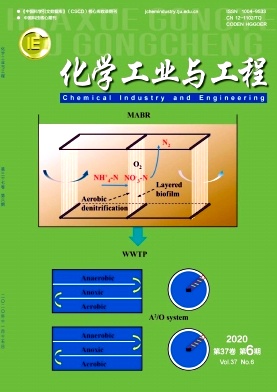
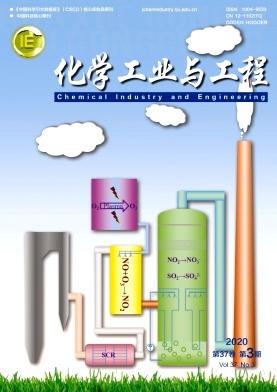
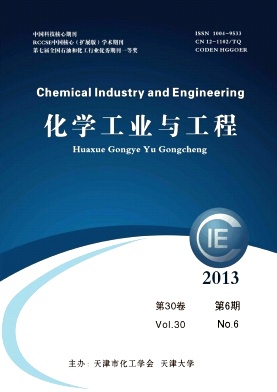
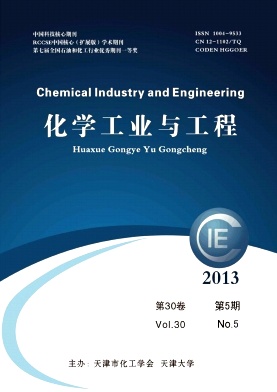
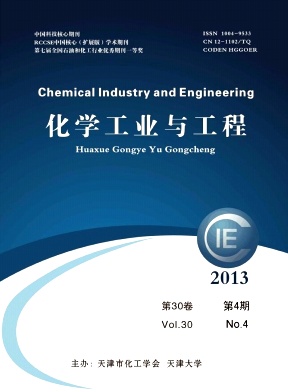
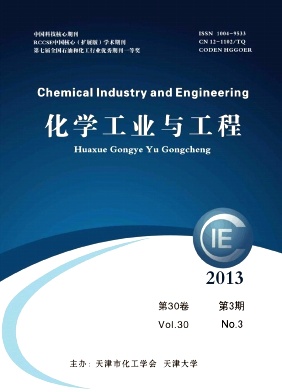
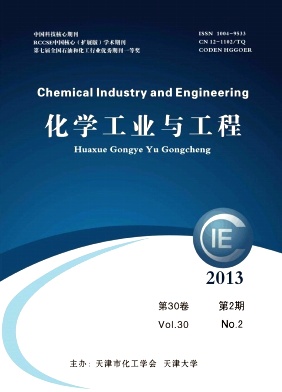
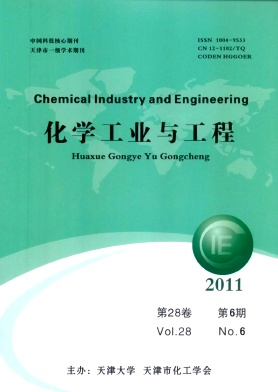
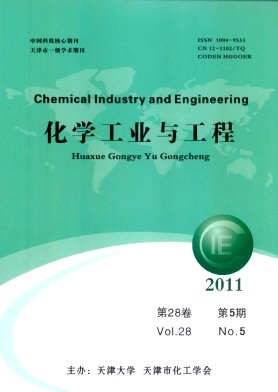
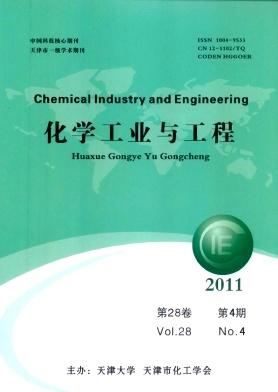
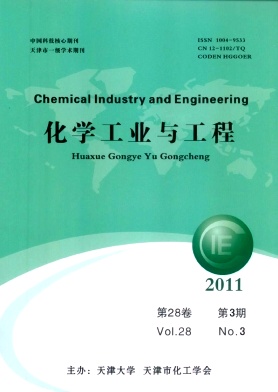
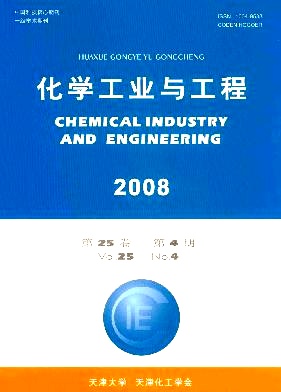
Chemical Industry and Engineering
ISSN 1004-9533
CN 12-1102/TQ
Supervised by: Tianjin Bohai Chemical Industry Group Co., Ltd.
Sponsored by: Chemical Industry and Engineering Society of Tianjin; Tianjin University
Year of Establishment: 1984
Language: Chinese
Publication Frequency: Bimonthly
Place of Publication: Tianjin
Domestic Postal Distribution Code:18-156
Overseas Postal Distribution Code:BM3064

Hot Paper
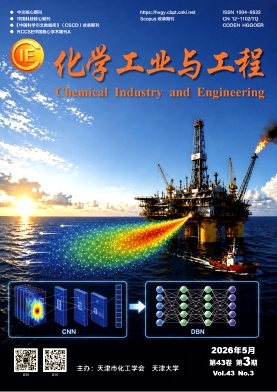
Dynamic risk assessment of offshore platform leaks based on CNN-DBN
LI Haosen;PENG Hongyu;HAO Lin;ZHU Zhenxing;XU Wei;FENG Junjie;WEI Hongyuan;Gas leaks on offshore platforms are highly dynamic,and conventional static assessments cannot capture the attendant time-dependent risks.To enhance real-time predictive accuracy,an accident pathway was first developed using fault-tree/event-tree logic;representative leak scenarios were identified accordingly,and 4 320 cases were simulated in FLACS to obtain the equivalent flammable gas volume Q9.A convolutional neural network(CNN) was then trained to predict the Q9 time series,achieving a validation MSE of 0.003 and R2=0.9968,with all prediction errors confined to(±30) %,thereby replacing time-consuming CFD calculations.The CNN-predicted Q9 values were fed as external evidence into a dynamic Bayesian network(DBN) to update,in real time,gas concentration,ignition probability and explosion probability;side-on overpressure was evaluated with the TNO multi-energy method to classify explosion severity.A normalised index RNORM(t) was finally introduced to produce continuous risk curves under various wind speeds.The proposed framework delivers second-orders computational speed while maintaining high predictive accuracy,providing effective support for dynamic leak-risk warning and response on offshore platforms.
Research on fluorine recovery from wet-process phosphoric acid via potassium sulfate precipitation
ZHANG Kai;YANG Wengong;SHOU Zhixin;WANG Xinlong;XU Dehua;To address the problem of low fluorine recovery during the dihydrate wet-process phosphoric acid production, this study systematically investigated the use of potassium sulfate(K_2SO4) as a precipitant for fluorine recovery. Based on single-factor experiments(reaction temperature 50 ℃, K_2SO4 dosage 1.5 times the theoretical amount and reaction time 60 min), response surface methodology was employed to optimize the process conditions and establish a mathematical model. The optimal parameters were determined to be a reaction temperature of 48 ℃, K_2SO4 dosage at 1.5 times the theoretical amount and a reaction time of 86 min, under which the fluorine recovery rate reached 85.5%. Characterization by XRD, SEM, and chemical analysis confirmed that the solid product was high-purity K_2SiF6( purity>98%), demonstrating the successful transformation of fluorine in wet-process phosphoric acid into a high-value-added chemical product, while the defluorinated phosphoric acid could be further utilized for the production of downstream products such as industrial-grade monoammonium phosphate. Kinetic studies indicated that the fluoride recovery reaction followed a second-order reaction kinetic model. This work provides both theoretical basis and process reference for the efficient recovery and resource utilization of fluorine from wet-process phosphoric acid.
Synthesis and scale inhibition properties of MAC-MA-SAS terpolymer scale inhibitors
SONG Shaofu;ZHAO Wenqing;TANG Zhenggang;HE Qingna;ZHANG Zixuan;LIU Jurong;Using methyl acrylate(MAC), maleic anhydride(MA), and sodium allylsulfonate(SAS) as monomers, the reaction was conducted at 80℃ for 4 h with a monomer molar ratio ofn(MA) ∶n(SAS) ∶n(MAC)= 2. 0 ∶1. 0 ∶1. 0. The ternary copolymer scale inhibitor MAC-MA-SAS synthesized under these conditions exhibits excellent scale inhibition performance in aqueous systems. According to the national standard method GB/T 16632—2019, the average scale inhibition rate measured at an inhibitor concentration of 200 mg·L-1was 93. 56%. Its structure was analyzed via Fourier Transform Infrared Spectroscopy(FTIR), and its scale inhibition performance was evaluated using the static scale inhibition method.Calcium carbonate scale was characterized using X-ray Diffraction(XRD) and Scanning Electron Microscopy(SEM) to investigate changes in crystal structure and morphology before and after adding the MAC-MA-SAS polymeric scale inhibitor. Results indicate significant influence on calcium carbonate crystal growth: characteristic calcite peaks markedly decrease while vaterite and aragonite peaks emerge. Carboxyl groups in the copolymer effectively induce lattice distortion and chelation, while sulfonate and ester groups further enhance calcium carbonate scale inhibition.
Research progress of cobalt-based catalysts in electrochemical biomass-based platform molecules(glucose,glycerol,and HMF)oxidation reaction
YANG Ruoxi;SU Rui;ZHENG Kaitian;HE Yongchao;LI Ling;XU Chunjian;The use of biomass-based platform molecules oxidation reaction(BOR) to replace oxygen evolution reaction can achieve both economic and safety improvement of green power for hydrogen production, which is important for China to achieve the goals of “carbon peaking” and “carbon neutrality” as soon as possible. Cobalt-based catalysts have received widespread attention not only for their excellent catalytic performance in BOR, but also for their advantages in terms of reserves and cost compared to noble metal-based catalysts. In this paper, the surface reaction mechanisms of cobalt-based catalysts and the oxidation reaction pathways of common biomass-based platform molecules such as glucose, glycerol,and 5-hydroxymethylfurfural are summarized. In addition, the synthesis methods and modification strategies of cobalt-based catalysts suitable for BOR have been systematically reviewed. Notably, the structurefunction relationship exhibited by cobalt-based catalysts in BOR is highlighted. Finally, the current status and future development of cobalt-based catalysts in BOR are prospected.
Metal-induced diaromatic amine covalent organic framework for electrocatalytic oxygen evolution
SHANG Wentao;SUN Yongli;YANG Xiaodong;LI Jingshuai;KANG Luoming;JIANG Bin;ZHANG Lühong;Electrolysis of water for hydrogen production is a vital technology for the storage and conversion of renewable energy, where the high overpotential of the oxygen evolution reaction(OER) severely limits the overall efficiency. Covalent organic frameworks(COFs) have shown great potential in the field of electrocatalysis due to their excellent structural characteristics. However, their inherent poor electrical conductivity and limited active sites restrict their catalytic performance. In this work, a highly efficient non-pyrolyzed COF-based oxygen evolution catalyst was constructed by incorporating redox-active diarylamino units and metal active sites coordinated by bipyridine ligands into the COF. Experimental results/indicate that the Fe/Co-COF catalyst exhibits an overpotential of only 303 mV at a current density of10 mA·cm-2, which is superior to most non-pyrolyzed COF catalysts. It also maintains good stability after 2 000 cyclic voltammetry scans and 20 h of chronoamperometric testing. Further mechanistic studies indicate that the diarylamino unit can generate stable radical cations during the oxygen evolution reaction,which interact with the metal active sites coordinated by bipyridine ligands to participate in the OER process. This research offers new insights into the construction of COF-based catalysts that do not require thermal pyrolysis.






























Study on the influence of oil-sand properties on the separation performance of a decanter centrifuge and research on surrogate models
Lu Yao;Long Yuntao;Teng Jinbiao;Song Chunfang;To address the unclear relationship between material properties and the separation performance of a decanter centrifuge during oil-sands separation, a numerical simulation system based on the Multiple Reference Frame(MRF) was designed and developed. The Eulerian multiphase flow model and SST k-ω turbulence model were employed to analyze the internal flow field of oil sands during centrifugal separation. The effects of oil-sands viscosity and solid particle size on flow field distribution and separation performance were investigated. Results show that the separation efficiency decreases as oil-sands viscosity increases. When viscosity increased from 0. 005 Pa·s to 0. 100 Pa·s, separation efficiency dropped from 99. 43% to 77. 48%. In contrast, separation efficiency increased with larger solid particle size, and oilsands viscosity exerts a greater influence on separation performance than particle size. Based on these results, multiple surrogate models were built to predict the combined effects of viscosity and particle sizeof oil sands. The Kriging model showed the highest prediction accuracy, with a coefficient of determination of 0. 971 12. The research findings provide a theoretical basis for elucidating the mechanism by which material properties influence flow field distribution and separation efficiency during oil-sands separation processes.
[Downloads: 0 ] [Citations: 0 ] [Reads: 4 ] HTML PDF Cite this article
Recent advances in process intensification of reactive distillation and extractive distillation from an energy-saving and carbon-reduction perspective
Bai Yupu;Li Fengzhi;Process industries are major sources of greenhouse gas emissions and separation energy use,and conventional distillation has long suffered from a conflict between high energy demand and low thermal efficiency. From the perspective of green separation, this work reviewed progress in reactive distillation(RD) and extractive distillation( ED) in four aspects: mechanistic modeling, structural design,energy integration and combined design-control, with the aim of supporting low-carbon scale-up of energy-intensive separation processes. The review summarized feasibility criteria for RD based on volatility ordering and thermodynamic matching, explained how rate-based models and reactive vapor-liquid equilibrium models describe the coupling among reaction, mass transfer and phase equilibrium, and compared the influence of differential-pressure thermally coupled columns, dividing-wall columns and double dividing-wall columns on conversion, energy consumption and controllability. For ED, the review organized solvent screening and flowsheet optimization strategies, analyzed the features of extractive dividing-wall columns and liquid-coupled configurations, and evaluated their energy-saving routes when combined with heat pumps(HP) and self-heat recuperation, as well as their joint impact on total annual cost( TAC) and carbon footprint(CF). The results show that structural intensification does not automatically lead to real energy savings, and that a unified evaluation framework based on exergy efficiency, TAC and CF is required. Future work should build open benchmarks and reproducible data chains, develop coordinated optimization of structure, energy integration and control, and apply digital-twin-based online adaptation of operating strategies, so as to support the practical scale-up and low-carbon operation of complex separation processes.
[Downloads: 23 ] [Citations: 0 ] [Reads: 7 ] HTML PDF Cite this article
Research progress on gas-liquid separation technology and its equipment optimization
GUO Yaning;ZHANG Yu;DONG Yanpeng;LI Yating;Tuladhar Nerisha;ZHU Chunying;MA Youguang;FU Taotao;Gas-liquid separation technology is widely used in chemical industry, energy and other fields, and its efficiency directly determines the quality of downstream products and the safety of equipment, thus affecting the overall process safety and production efficiency. The separation mechanisms of gravity separation, inertial separation, centrifugal separation and filtration separation, and the structural optimization of the separation equipment are reviewed, focusing on the interaction between liquid droplets in the separation process, the motion characteristics, and the mechanism of formation and fragmentation of the liquid film, and summarizing and looking forward to the future development direction of each separation technology.
[Downloads: 174 ] [Citations: 0 ] [Reads: 12 ] HTML PDF Cite this article
Research advances in subcellular targeting for tumor diagnosis and therapy
Li Zijian;Pan Jie;Traditional tumor treatment regimens face multiple challenges, including limited efficacy and suboptimal safety, due to severe systemic side effects caused by the lack of targeting. In recent years,subcellular targeting strategies have emerged as a novel research direction for precision tumor diagnosis and therapy. These approaches effectively reduce drug toxicity and systemic side effects by precisely delivering therapeutic agents to specific functional organelles within tumor cells. This review systematically summarizes the latest advances in subcellular targeting strategies for tumor diagnosis and therapy: First, it systematically reviews research progress in targeting different subcellular organelles for diagnosis and therapy, focusing on the application of key organelles such as mitochondria, nuclei, lysosomes, endoplasmic reticulum, and Golgi apparatus as targets in tumor diagnosis and treatment. Subsequently, it further analyzes the combined application of subcellular targeting strategies with fluorescence imaging technology,providing technical support for integrated diagnosis and therapy. This review aims to synthesize relevant research findings, offer theoretical guidance for the development and optimization of precision tumor treatment strategies, promote technology translation and implementation, enhance the precision and efficacy of clinical tumor therapies, and provide novel approaches to addressing clinical treatment challenges.
[Downloads: 14 ] [Citations: 0 ] [Reads: 3 ] HTML PDF Cite this article
Investigation on the performance of polymeric TEMPO(Poly-TEMPO) for continuous redox desalination
Li Tong;Wang Yan;Cai Wangfeng;To address the high energy consumption and cost issues of traditional desalination technologies, a continuous desalination system based on organic polymer materials has been developed. The paper synthesizes poly-TEMPO, a redox-active material, through free radical polymerization, and constructs a three-membrane four-chamber electro-desalination device. The alternating oxidation and reduction states of poly-TEMPO drive the directional migration of salt ions to achieve continuous desalination. Experimental results show that in a w(NaCl)= 2×10⁻³ supporting electrolyte, the cyclic voltammetry redox peak ratio of Poly-TEMPO is approximately 1, and after 500 cycles, the capacity retention rate is 98. 5%, demonstrating excellent electrochemical reversibility. Under continuous desalination mode, the desalination rate for saltwater ranging from w( NaCl) = 5×10⁻⁴ to 5×10⁻³ reaches 0. 41 mg·cm-2·min-1, and with a charging efficiency higher than 95%. For high-concentration saltwater at w( NaCl) = 1×10⁻², the single desalination rate exceeds 99%. The stability test proves that the charging efficiency decreases from 97. 5% to 81. 3% after continuous operation for 7 000 min. Additionally, the system demonstrates good removal performance for other chloride salts and various anionic salts. This technology, which utilizing a redox-mediated ion migration mechanism, achieves low-energy desalination and provides theoretical guidance for large-scale, economically efficient water treatment.
[Downloads: 8 ] [Citations: 0 ] [Reads: 4 ] HTML PDF Cite this article
Basic Principle,Advance and Current Application Situation of Sol-Gel Method
WANG Juan,LI Chen,XU Bo(Huainan Normal University,Huainan 232001,Anhui Province,China)Sol-gel method is a method for material preparation under mild condition.In this paper,basic principles of sol-gel method and the main step are briefly described,the application and the prospects for development of sol-gel method in the of preparation process compound materials are discussed.
[Downloads: 20,005 ] [Citations: 771 ] [Reads: 76 ] HTML PDF Cite this article
A Review of Studies on the Discharging Dispersion of Flammable and Toxic Gases
Ding Xinwei Wang Shulan Xu Guoqing (Dalean University of Technology,Dalian 116012)The computing models and experiments of flammable or toxic gas dispersion in the atmosphere are summarized.The models include Gaussian plume/puff model,B.M.model,Sutton model and FEM3 model.The experiments include Burros,Coyote,Desert Tortoise Goldfish etc.
Progress in the Development and Application of Reverse Osmosis Membrane Technology
XU Jun1,2,3,WANG Zhi1,2,3,WANG Ji-xiao1,2,3,WANG Shi-chang1,3(1.School of Chemical Engineering and Technology,Tianjin University,Chemical Engineering Research Center,Tianjin 300072,China;2.State Key Laboratory of Chemical Engineering(Tianjin University),Tianjin 300072,China;3.Tianjin Key Laboratory of Membrane Science and Desalination Technology,Tianjin 300072,China)Reverse osmosis membrane technology,a new and widely used separation technology arose in 1 960 s,is one of the most advanced separation technologies at present.Reverse osmosis is the inverse process of osmosis and is driven by pressure.In this paper,the background and the development of re-verse osmosis membrane technology are introduced,and its present research is mainly discussed,and its applications in sweater and brackish water desalination,pure water preparation,pharmacy and chemical industry wastewater treatment are described.Finally,the existing problems and future development trends are analyzed.
[Downloads: 11,570 ] [Citations: 294 ] [Reads: 88 ] HTML PDF Cite this article
Survey of Researches on Scale Inhibition Mechanism of Scale Inhibitor
WANG Rui 1, ZHANG Qi 1, DING Jie 2, SHEN Zi qiu 2 (1.Chem.Eng.Department, School of Sci. & Tech., Hainan University, Hainan Haikou 570228,China; 2.Research Institute of Chem. Eng., Dalian University of Technology, Liaoning Dalian 116012,China)Firstly, a brief retrospect was given on the development of scale inhibitors. Then, some aspects related to the research of scale inhibition mechanism of scale inhibitors and evaluation methods of the performance of scale inhibitors, as wellas the retarding effect on saline water deposition of scale inhibitors were reviewed. Based on the above survey, some aspects remain to be investigated further were proposed.
The Current Status and the Developing Trends of Carbon Dioxide Treating Technologies
LI Tian-cheng\+1, FEN Xia\+2, LI Xin-gang\+1 (1.School of Chemical Engineering,Tianjin University,Tianjin 300072,China; 2.Taiyuan Fereilizer Plant,Shanxi Taiyuan 030021,China)The current status and the developing trends in future of carbon dioxide treating technologies were introduced in this article. Furthermore,the effective ways to solve “greenhouse effect” in the 21centery can be mainly biological methods in separating and fixing carbon dioxide in the air and physical or chemical methods in separating and processing the combusted gases.
Basic Principle,Advance and Current Application Situation of Sol-Gel Method
WANG Juan,LI Chen,XU Bo(Huainan Normal University,Huainan 232001,Anhui Province,China)Sol-gel method is a method for material preparation under mild condition.In this paper,basic principles of sol-gel method and the main step are briefly described,the application and the prospects for development of sol-gel method in the of preparation process compound materials are discussed.
[Downloads: 20,005 ] [Citations: 771 ] [Reads: 76 ] HTML PDF Cite this article
Progress in the Development and Application of Reverse Osmosis Membrane Technology
XU Jun1,2,3,WANG Zhi1,2,3,WANG Ji-xiao1,2,3,WANG Shi-chang1,3(1.School of Chemical Engineering and Technology,Tianjin University,Chemical Engineering Research Center,Tianjin 300072,China;2.State Key Laboratory of Chemical Engineering(Tianjin University),Tianjin 300072,China;3.Tianjin Key Laboratory of Membrane Science and Desalination Technology,Tianjin 300072,China)Reverse osmosis membrane technology,a new and widely used separation technology arose in 1 960 s,is one of the most advanced separation technologies at present.Reverse osmosis is the inverse process of osmosis and is driven by pressure.In this paper,the background and the development of re-verse osmosis membrane technology are introduced,and its present research is mainly discussed,and its applications in sweater and brackish water desalination,pure water preparation,pharmacy and chemical industry wastewater treatment are described.Finally,the existing problems and future development trends are analyzed.
[Downloads: 11,570 ] [Citations: 294 ] [Reads: 88 ] HTML PDF Cite this article
Status and Prospect of Chinese Seawater Desalination Technology
FENG Hou-jun,XIE Chun-gang(Institute of Seawater Desalination and Multipurpose Utilization,State Oceanic Administration,Tianjin 300192,China)This paper analyzes the state-of-the-art and status quo of seawater desalination technology in China during recent years,including multi-stage flash,low temperature multi-effect distillation and reverse osmosis,and discusses current problems and gaps by a comparison between China and other countries with advanced seawater desalination technology.Furthermore,combining domestic needs for seawater desalination technology,this paper also presents the future possible direction and goals of Chinese seawater desalination.
[Downloads: 8,452 ] [Citations: 211 ] [Reads: 101 ] HTML PDF Cite this article
Study on Preparation Technology of Nanoscale TiO2 with Sol-Gel Method
LIAO Dong-liang1,XIAO Xin-yan*1,ZHANG Hui-ping1,WAN Cai-xia2,CHEN Huan-qin1(1.Institute of Chem.Eng,South China University of Technology;2.Department of Applied Chemistry,South China University of Technology,Guangdong Guangzhou 510640,China)In this paper,we prepared nanoscale TiO2 with Ti(OC4H9)4 through solgel method.With the work on several important factors,got the optimal technological conditions for preparing nanoscale TiO2,that is nTi(OC4H9)4∶nH2O∶nC2H5(OH)=1∶2~3∶6~8,the pH of mixture should be adjusted to between 2 and 3,H2O and part of C2H5(OH) mixture should be feed slowly. The suitable temperature of hydrolysis and gel reaction is between 25℃~30℃.
Research progress on the application of silicon-carbon anode materials in lithium-ion batteries
WANG Juan;ZHANG Xianglan;The structure and properties of anode materials are crucial for the capacity and performance of lithium-ion batteries. Silicon/carbon composites are highly regarded as promising anode materials for next-generation batteries due to their high specific capacity. However, the significant volume expansion during cycling hinders their commercialization. The structure and methods to synthesize silicon/carbon materials are key to addressing this issue. This paper provides an review of the lithium storage and failure mechanisms of silicon anodes, summarizes recent progress in silicon carbon anode materials for lithium-ion batteries, focuses on structural design and preparation methods, and assesses the future commercial prospects of silicon/carbon composites.
Tracking the information about your manuscript
Communicate with the editorial office
Query manuscript payment status Editor LoginCollecting, editing, reviewing and other affairs offices
Managing manuscripts
Managing author information and external review Expert Information Reviewer LoginOnline Review
Online Communication with the Editorial Department
Announcements
News
Downloads
Links
Page Views
Page views today: 33